







Search Results for: Three-Pour Brewing Method
A Detailed Guide to Pour-Over Coffee Staged Extraction Techniques: A Full Breakdown of One-Pour, Three-Pour, and Three-Stage Brewing Steps
Among the many schools of pour-over coffee, single-pour, three-pour, and volcano methods each have their own characteristics, and the three-pour method is the classic example of staged extraction. By dividing the pour into several stages, staged extraction can present a richer sense of layering, clearly distinguish the flavors of the coffee's front, middle, and back sections, and at the same time reduce the chance of water escaping from the edge of the dripper, improving brewing stability. However, this technique also places higher demands on controlling flow rate and water volume. This article will use beans from Costa Rica's Pilon processing plant as an example to break down the steps of staged extraction in detail, and answer the common confusion about when to stop and when to pour again, helping you easily master this technique. [more…]
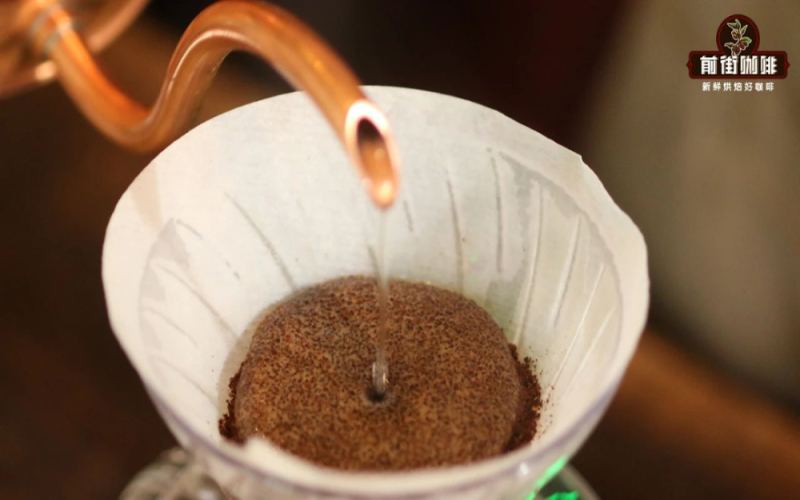
A Complete Guide to Three-Pour Hand-Brewed Coffee: Blooming Techniques, Water Distribution, and V60 Practical Guide
The three-pour method is one of the most classic and highly regarded extraction techniques in pour-over coffee. By splitting the total water volume into three pours and including two interruptions in between, it adjusts the proportion of flavors from the front, middle, and back ends of the coffee. Starting from the principles of staged pouring, this article breaks down the blooming step in detail and the logic behind water distribution for each stage. Using 15 grams of Front Street washed Yirgacheffe with a Hario V60 dripper as an example, it provides a complete demonstration of the three-pour pour-over process and parameter settings, helping coffee enthusiasts master this brewing method that balances harmony and complexity. [more…]
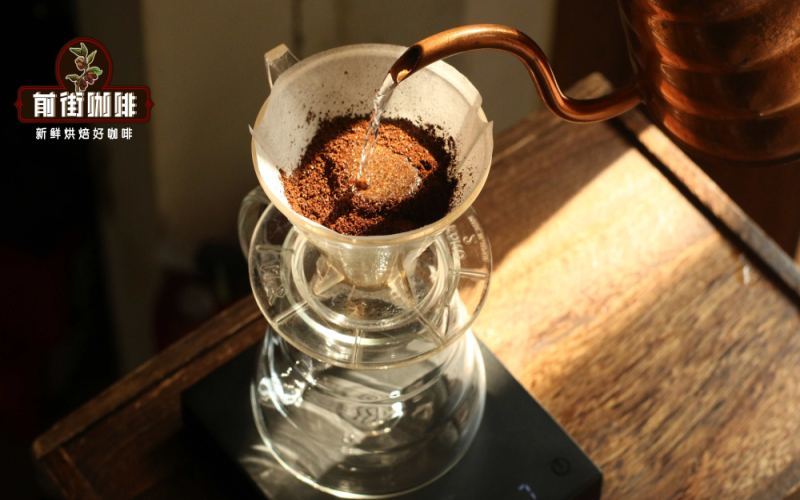
Center Pour vs. Spiral Pour in Pour-Over: Analysis of Extraction Efficiency, Flavor Differences, and a Combined Three-Pour Approach
The pouring method in pour-over coffee has a significant impact on the extraction result. Through comparative experiments, Front Street Coffee found that under low-flow conditions, center-pour single-pour extraction actually achieved a higher extraction yield than spiral pouring, due to two factors: heat retention and the contact area of the coffee bed; however, in terms of flavor performance, center pouring showed a concentrated, imbalanced character with bitterness. When switching to a three-stage pour, spiral pouring then surpassed center pouring. Based on these findings, a three-pour approach combining spiral and center pouring became a practical choice that balances even extraction with flavor cleanliness. This article presents the complete experimental data and principle analysis to help coffee enthusiasts understand the suitable scenarios for different pouring strategies. [more…]
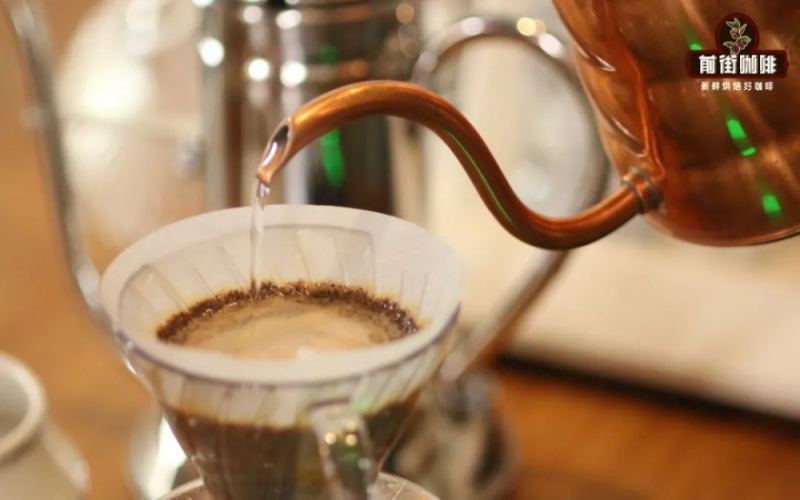
Analyzing the Timing of Pauses in Three-Pour Hand-Brewed Coffee: An Extraction Comparison Experiment Between Waiting for the Bed to Drain and Re-Pouring at the Halfway Point
In the three-pour method for pour-over coffee, the timing of the third pour is often overlooked—should you wait for the coffee liquid to completely drain before pouring, or should you top up promptly once the water level drops by half? Front Street Coffee conducted two sets of comparative experiments, using Costa Rica Strawberry Candy and washed Yirgacheffe beans respectively, to analyze in depth the practical differences between the two pouring methods from the dimensions of aroma, flavor, extraction time, and coffee bed state. The experiments revealed how the timing of the pour affects the temperature of the coffee bed, fine migration, and the final flavor performance, while also explaining why beans of different hardness show completely different results when faced with waiting for the liquid to drain. This article will present the full experimental process and conclusions to help coffee enthusiasts understand the core logic of judging when to pour in the three-pour brewing method, and provide Front Street's practical recommendations. [more…]
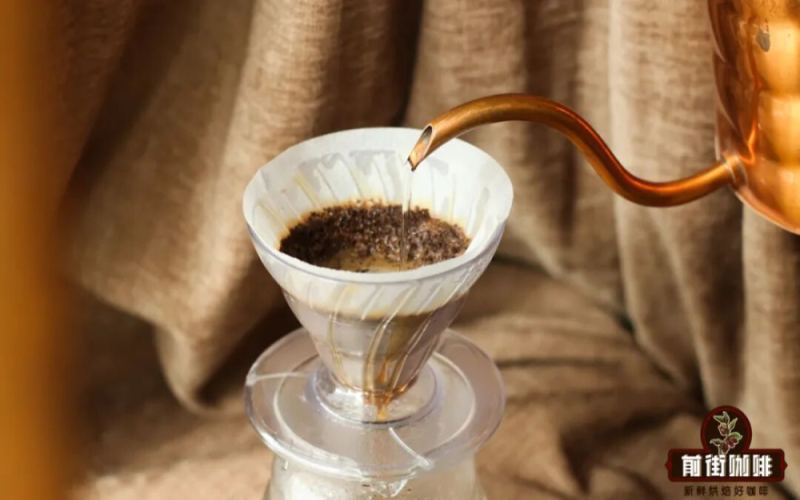
A Century of Pour-Over Coffee Evolution and a Hands-On Tutorial: From the Melitta Dripper to Front Street Coffee's Huakui Three-Pour Brewing
Pour-over coffee has now become one of the most mainstream brewing methods in the specialty coffee world, but its origins can be traced back to a flash of inspiration from a German housewife over a hundred years ago. From the early prototype of filtering coffee with blotting paper to Melitta's continuous refinement of the dripper design, how have pour-over brewing tools evolved? This article not only traces the historical thread of pour-over coffee but also presents a complete pour-over tutorial, using "Front Street Coffee Flower Queen" coffee beans as an example to explain every step of the three-stage brewing process—blooming, main extraction, finishing and blending—along with a buying guide to several Front Street Coffee-recommended beans suited to different taste preferences. [more…]

A Complete Guide to Pour-Over Coffee Dose, Ratio, and Blooming: Front Street Coffee Brewing Parameters and a Three-Pour Practical Guide
To consistently brew a delicious pour-over coffee, bean dose, coffee-to-water ratio, blooming, and pouring rhythm are all indispensable. Starting from Front Street Coffee's practical experience, this article explains the reasoning behind 15g of grounds, a 1:15 coffee-to-water ratio, and a 225ml final yield, and compares this with common espresso extraction ratios to help readers build a replicable parameter framework. It then uses a washed Yirgacheffe Gudingding as an example to provide the complete V60 three-pour brewing process, with a focused breakdown of details such as blooming and degassing, pouring height, and the rhythm of pausing between pours, so that even beginners can follow along step by step and reduce the harsh, astringent flavors caused by under-extraction or over-extraction. [more…]
A Complete Guide to Three-Pour Pour-Over Coffee: The Principles and Practical Details from Blooming and Degassing to Staged Extraction
Pour-over coffee may seem complex, but its core lies in how to balance flavor extraction. As the most widely used brewing method, the three-pour technique uses staged extraction to give distinct layers of flavor in the front, middle, and back ends. Drawing on the practical experience of Front Street Coffee, this article explains in detail the principles of blooming and degassing, control of the pouring rhythm, the matching of water temperature and roast level, and a complete brewing recipe using Kenya Asalia coffee beans as an example. Whether you are a beginner just getting into pour-over or an enthusiast looking to refine your technique, you will find actionable references here. [more…]
Pour-over Yirgacheffe not sour enough? A detailed guide to extraction parameters and three-pour technique for medium-light roasted beans
Yirgacheffe, with its bright and delicate floral and fruity aroma, has become the starting point for many people's introduction to specialty coffee. However, many enthusiasts feel that when recreating it at home, the acidity is not refreshing enough and the aroma is not as full as in the shop. This article starts with the degree of roasting and the washed processing method, explaining why Yirgacheffe often uses a medium-light roast, and provides a complete pour-over plan recommended by Front Street Coffee—V60 dripper, water temperature of 92 to 93 degrees Celsius, 15 grams of coffee, a 1:15 coffee-to-water ratio, medium-fine grind, and the specific rhythm and water distribution of a three-stage pour. It also explains the principles behind each parameter, helping readers build their own brewing approach, ultimately presenting a classic Yirgacheffe with bright lemon and citrus notes and a finish of berry, cream, and sugarcane sweetness. [more…]
Where Does Pour-Over Coffee Come From? A Complete Guide to Its Origin Story and Three-Pour Brewing Steps
Pour-over coffee is now one of the mainstream brewing methods in specialty coffee, but its origins actually come from the ingenuity of a German housewife. In 1908, Melitta Bentz used a punctured brass pot and blotting paper to create the world's first filter-brewing coffee device, forever changing the way people drink coffee. This article will take you through the origins of pour-over coffee and the evolution of the dripper, and break down the complete three-stage brewing process in detail, including the four steps of blooming, main extraction, finishing, and blending. At the same time, Front Street Coffee also recommends suitable coffee beans for people with different taste preferences and provides specific brewing parameters to help you brew a clean, full-bodied, and richly layered pour-over coffee at home. [more…]
A Beginner's Guide to Pour-Over Single-Origin Coffee: A Detailed Explanation of Rwandan Coffee Grounds-to-Water Ratio and Three-Pour Brewing Techniques
To brew a clean-tasting pour-over coffee at home, mastering the coffee-to-water ratio and pouring technique is key. Using Front Street Coffee's Rwandan washed beans as an example, this article systematically explains the English expressions, definition, and seven key elements of pour-over coffee—from bean freshness, grind size standards, water temperature selection, water quality requirements, and dripper selection, to the scientific control of coffee-to-water ratio and brewing time. The article also breaks down in detail the complete process of the three-pour method, including the principles and key points of the blooming phase, helping coffee enthusiasts build a standardized, easy-to-follow brewing framework and effortlessly reproduce the bright acidity and tea-like finish reminiscent of apple, smoked plum, and citrus. [more…]

How does the timing of pouring in the three-pour pour-over method affect flavor? A comparative experimental analysis of light roast vs. medium-dark roast
When using a three-pour method for pour-over coffee, should the third pour wait until the water has fully drained, or should it be added before the water level reaches the bottom? Front Street answers this through two sets of comparative experiments. First, lightly roasted Yirgacheffe Geddid was brewed with continuous and interrupted pouring respectively, and the total time differed by 10 seconds, with slight differences in aroma and acidity, but the overall difference was not significant. Then the test was repeated with medium-dark roasted Papua New Guinea Bird of Paradise, but the interrupted-pour cup showed obvious bitterness. The reason is that medium-dark roasted beans are loose in texture and have a low margin for error, so bitterness-prone compounds are easily over-extracted when the time is prolonged. The article ultimately points out that interrupted pouring is not unworkable; the key is to pair it with corresponding parameters, such as the coarse-grind 46 brewing method. [more…]
The Three-Pour Technique for Pour-Over Coffee: Water Distribution Across the Front, Middle, and Back Stages and How to Adjust Flavor
In the practice of pour-over coffee, how to reasonably distribute the water volume for each pour is a key step affecting the final flavor expression. Front Street Coffee recommends an intuitive method: split the extraction process into the front, middle, and back segments, collect the coffee liquid from each separately, and taste them one by one. By comparing the flavor differences among the segments, you can find the pouring ratio that best suits this bean. This article takes a washed Yirgacheffe as an example, using the three-pour method with 15 grams of grounds, and demonstrates in detail the operating procedure of pouring 65 grams of water in each of the three segments after blooming, while recording the specific expressions: the front segment is rich with acidity, the middle segment has berry and honey notes, and the back segment is light with floral and tea-like qualities. On this basis, Front Street further explains how to adjust the water volume of the middle and back segments according to the tasting results, so as to avoid undesirable flavors and highlight the pleasing juiciness and sweetness. This method is applicable to coffee beans with different characteristics, helping enthusiasts systematically locate the extraction stage in which good flavors and off-flavors appear. [more…]
An Analysis of the Seven Major Pour-Over Coffee Schools: A Full Comparison of Brewing Techniques Including the One-Pour and Three-Pour Methods
The charm of pour-over coffee lies not only in the flavor itself, but also in the ever-changing brewing techniques. In coffee enthusiast circles, there are seven major brewing schools: volcano pour, meteor pour, one-cut pour, three-cut pour, tamped pour, stirring method, and drip pour. Except for the drip pour, all the other methods use circular pouring. Each school has its own unique extraction logic and flavor orientation—some pursue layering, some emphasize sweetness, and some are better suited for enthusiasts to explore. This article breaks down the key operational points, pros and cons, and suitable scenarios for each method one by one, and includes practical advice from Front Street Coffee to help you find the style that suits you best in your daily brewing. [more…]
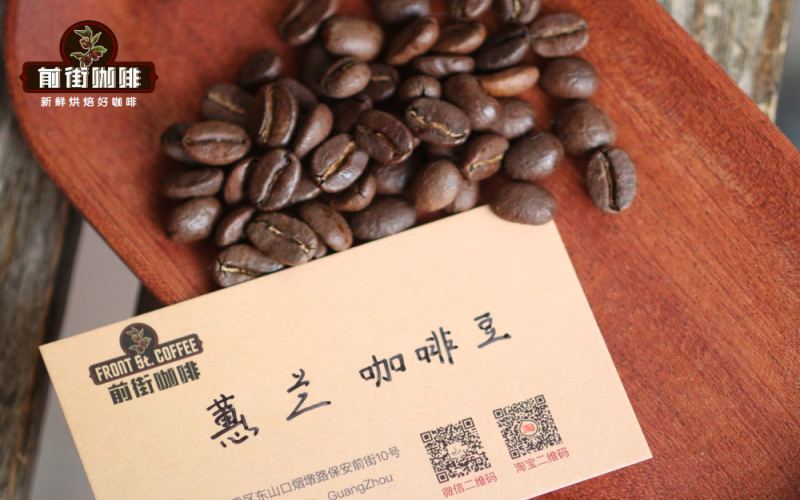
A Detailed Guide to the Time Ratios of Three-Pour Hand-Brewed Coffee Extraction and Flavor Adjustment Methods
The three-stage pour is a common and practical pouring technique in pour-over coffee, splitting the entire extraction process into three pouring stages and influencing the final flavor by controlling the water volume and timing of each stage. Using 15 grams of grounds, a 1:15 coffee-to-water ratio, 88°C water temperature, and a medium-coarse grind as parameters, this article breaks down in detail the brewing process for Front Street Colombia Huila, including the specific steps of a 30-second bloom, a second pour of 100 grams, and a third pour of 95 grams, and answers how to determine the best time for the next pour. At the same time, the article also shares an experimental method of dividing the coffee liquid into three stages—beginning, middle, and end—for separate tasting, helping enthusiasts identify the differences in flavor between each stage, so as to adjust the pouring ratios and find a taste they are satisfied with. [more…]
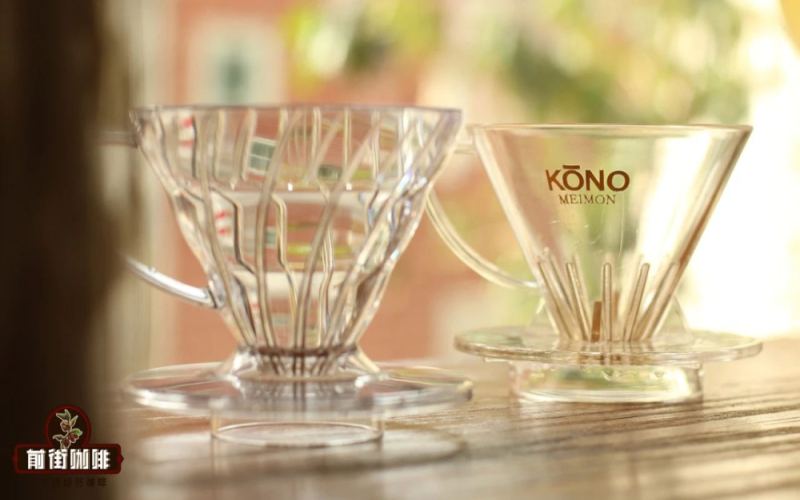
Pour-Over Coffee Equipment Guide: V60 Dripper Design Principles, Material Comparison, and Detailed Explanation of One-Pour and Three-Stage Extraction Methods
In the world of pour-over coffee, the V60 dripper is an almost unavoidable classic piece of equipment. With its conical structure, large aperture, and spiral rib design, it can accommodate a variety of roast levels and brewing techniques, making it the dripper choice unanimously recommended by Front Street Coffee baristas. This article will start from the three major design elements of the V60, analyze its extraction principles, compare the heat retention and price differences among resin, ceramic, and glass materials, and explain in detail key parameters such as grind size, water temperature, and coffee-to-water ratio. Finally, using Front Street Coffee Costa Rica Strawberry Candy coffee beans as an example, it will provide a hands-on comparison of the flavor presentation differences between the one-pour and three-stage brewing methods, helping coffee enthusiasts find a brewing method that suits them. [more…]
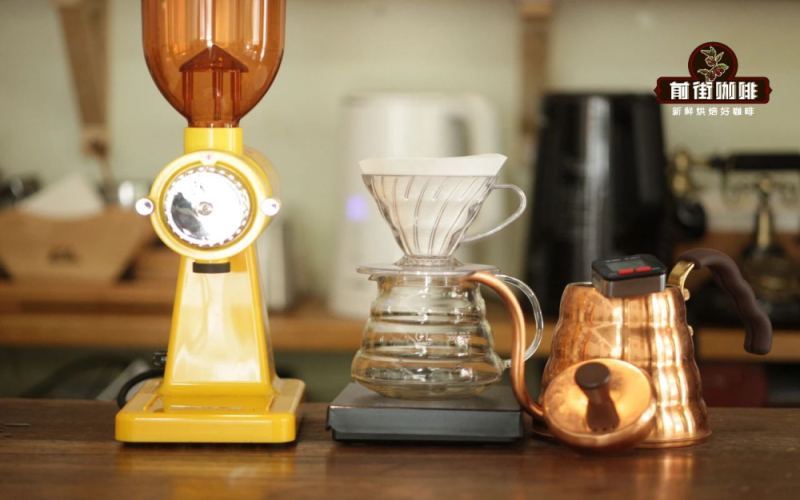
A Beginner's Guide to Pour-Over Coffee: A Complete Walkthrough from Equipment Prep to Three-Pour Technique
Pour-over coffee, as a widely popular and advanced-friendly extraction method, is being embraced by more and more coffee enthusiasts. Drawing on the hands-on experience of Front Street Coffee, this article systematically outlines the definition and origins of pour-over coffee, explains in detail the key steps such as equipment preparation, water temperature control, coffee-to-water ratio, and grind selection, and fully breaks down the specific steps and timing of the three-stage pouring process. Whether you are a beginner just getting into pour-over or an experienced brewer looking to refine your technique, you will find practical guidance here to easily brew a cup of coffee with distinct layers of flavor at home. [more…]
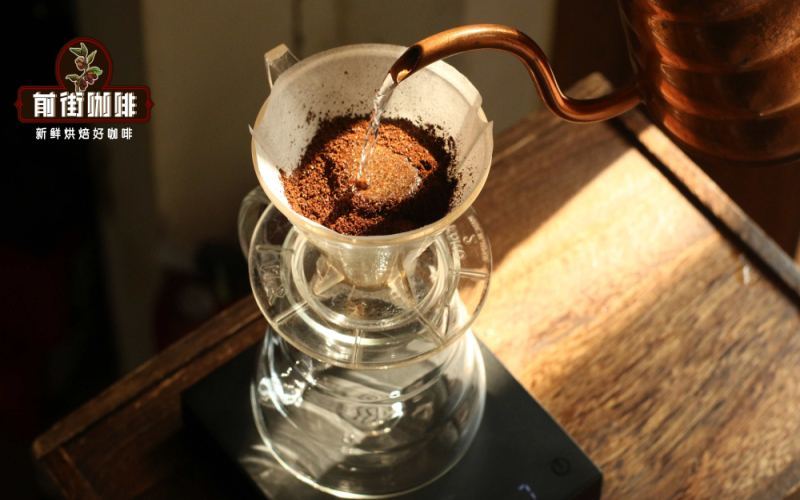
What exactly does "one-pour" mean in pour-over coffee? An in-depth comparison of the extraction differences between one-pour and three-pour methods
Among the various pouring methods for hand-brewed coffee, the "one-pour" technique is the first brewing method many beginners encounter, and it is often compared with the three-stage pour. On the surface, it seems simple to perform—just divide the total water into two pours—and its name is taken from the Japanese swordsmanship term "one strike, two cuts." In practice, however, the one-pour method is the hardest of all techniques to master; a single misstep can produce problems such as a thin, bland taste, sharp acidity, and a flat, one-dimensional flavor profile. In this article, Front Street Coffee provides a detailed analysis of the definition of the one-pour method, how it differs from the three-pour method, and why beginners are advised to start with the three-stage pour, while also explaining the key influence that water-flow control and parameter matching have on the success or failure of the one-pour method. [more…]
Pour-Over Coffee Beginner's Guide: Seven Elements, Three-Pour Technique, and Coffee-to-Water Ratio Illustrated
Brewing a delicious pour over coffee at home is actually not complicated, but you need to master some basic points. The English for pour over coffee is Pour over coffee; it uses a dripper and filter paper to hold the coffee grounds under normal pressure, extracting the coffee liquid through a steady pouring method. This article, compiled by Front Street Coffee, systematically sorts out the seven elements of pour over coffee—from fresh coffee beans, grind size, water temperature, water quality, dripper selection, coffee-to-water ratio, to brewing time—and provides a detailed introduction to the specific steps of the three-pour technique, including the meaning of blooming and four major points to note, helping coffee enthusiasts get started quickly. [more…]
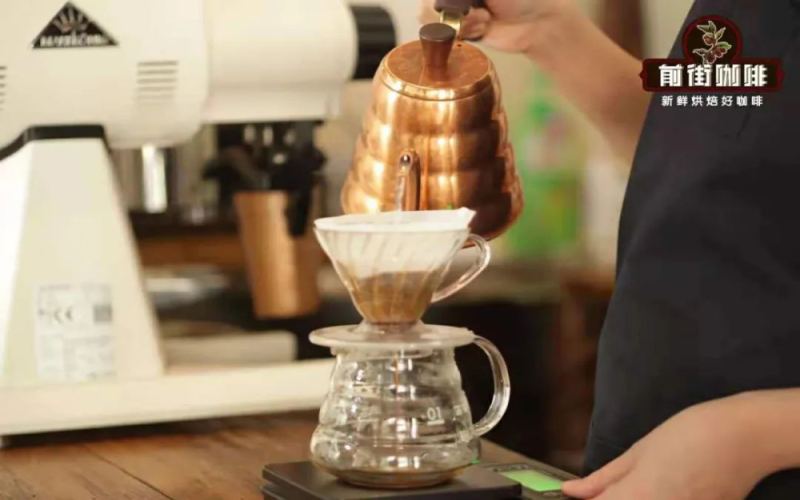
Pour-Over Coffee Extraction Principles Explained: The Complete Workflow of One-Pour, Three-Pour, and Cross-Stir Methods
The flavor expression of pour-over coffee depends on the coordinated interplay of four core parameters: coffee-to-water ratio, grind size, water temperature, and pouring technique. Changing any one of them will affect the final taste. Conventional pour-over practice involves blooming first and then pouring in stages, but there are also some seemingly unconventional approaches. For example, the Hario V60 Immersion Dripper claims to need no blooming and to require only a single pour. After testing it, Front Street found that it produced coffee with extremely high clarity but relatively low extraction. In addition to sorting out common techniques such as the one-pour method and the three-pour method, this article will also share Front Street's complete process of brewing medium-dark roasted beans with a Kono dripper using 24 grams of coffee and 88°C water, and introduce Taiwanese barista Amis's cross-stirring method, to help you understand the logic behind these alternative brewing approaches. [more…]
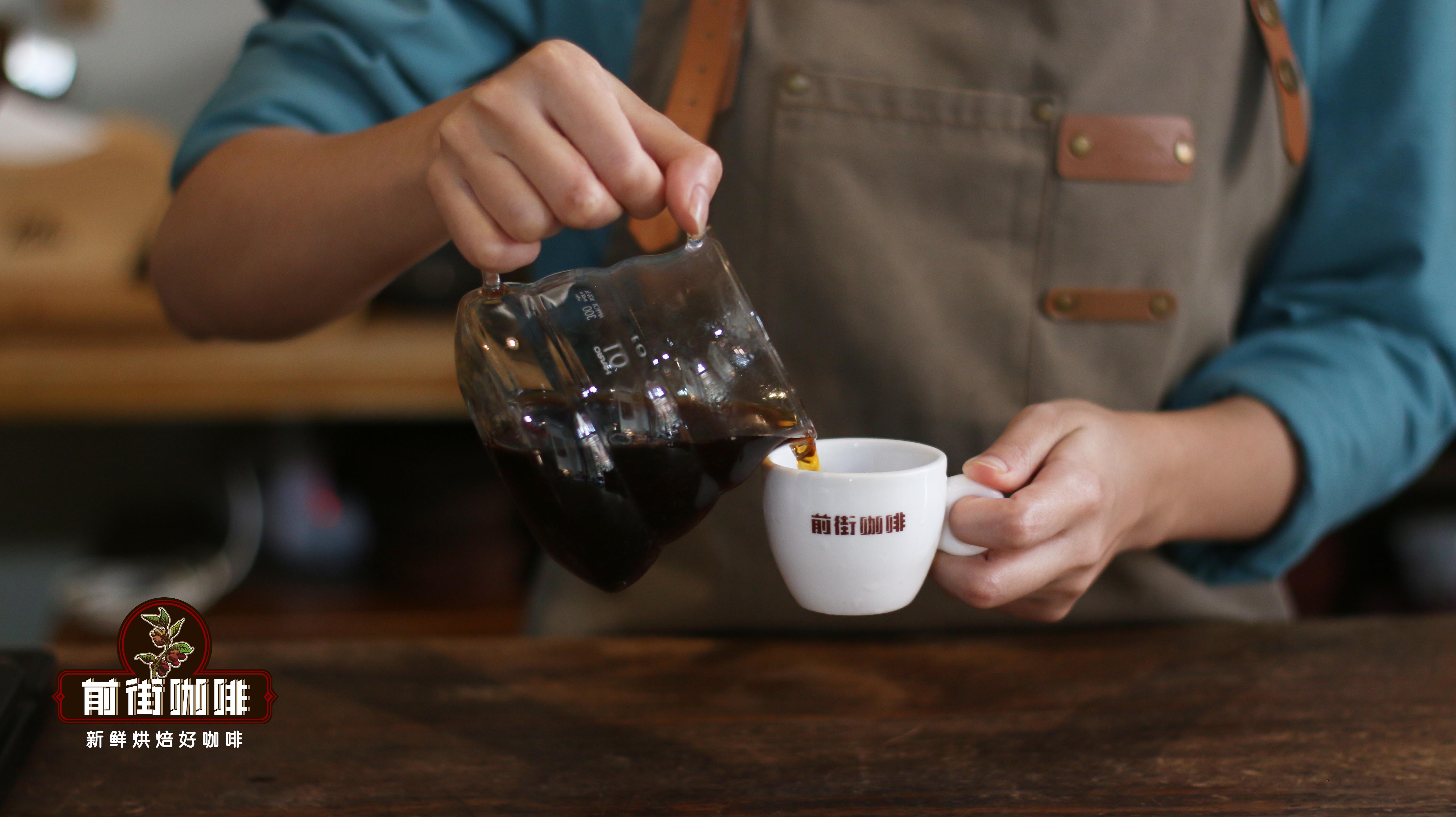
Golden Mandheling Pour-Over Parameters and Flavor Analysis: PWN Origin, Wet-Hulled Processing, and Three-Pour Brewing Key Points
Indonesian Mandheling is famous for its heavy body, but truly high-quality Golden Mandheling is not just bitter—it reveals a brown-sugar-like sweetness beneath its rich, mellow depth. The PWN Golden Mandheling carried by Front Street Coffee comes from Mount Gayo in Aceh, Sumatra, and has undergone three rounds of hand sorting plus one round of machine sorting, making its cleanliness and sweetness all the more outstanding. This article covers the bean's origin background, the PWN trademark and grading standards, the Ateng variety, the wet-hulling process, roasting recommendations, and the specific parameters for brewing with a Kono dripper using a three-pour pour-over method, helping coffee lovers understand the flavor characteristics and brewing logic of Golden Mandheling. [more…]